
How Big Can a Day Get?

How Big Can a Day Get?

It is fall and the weather is cooling, the leaves changing color. It is the beginning of my oldest child’s senior year. It is, now, the end of marching band season. It is the first year of an administration that may well destroy our government. And increasingly, it is a lot.

Workdays are lists of tasks, many of which are attempts at solutions to newly created challenges, as the various immigration agencies and courts announce policy changes. I try to take each day, each task, one at a time. I try to stay careful, and to stay caring. But discouraging us from advocating for our clients is the point of this administration, and it is sometimes hard to ignore.

I listen to the worry and stress of my clients, as they try to decide what to do next, as they share their worries for themselves and their families, and their disappointment that America is, after all, no different from the places where they’ve come from, where they were treated as second class citizens because of the skin they were born in, or the values or beliefs they hold.

And then I go home, and I am plunged into the excitement of my kids’ worlds. There is a competition one weekend, or a soccer tournament or Homecoming another, and the celebration of their relationships and their music–for one last time in the case of my oldest. (And let me not get into the constant tug between guiding our oldest and letting her step where she chooses–and accept her choices. But that is a post of its own.) It is bittersweet and yet exhilarating.

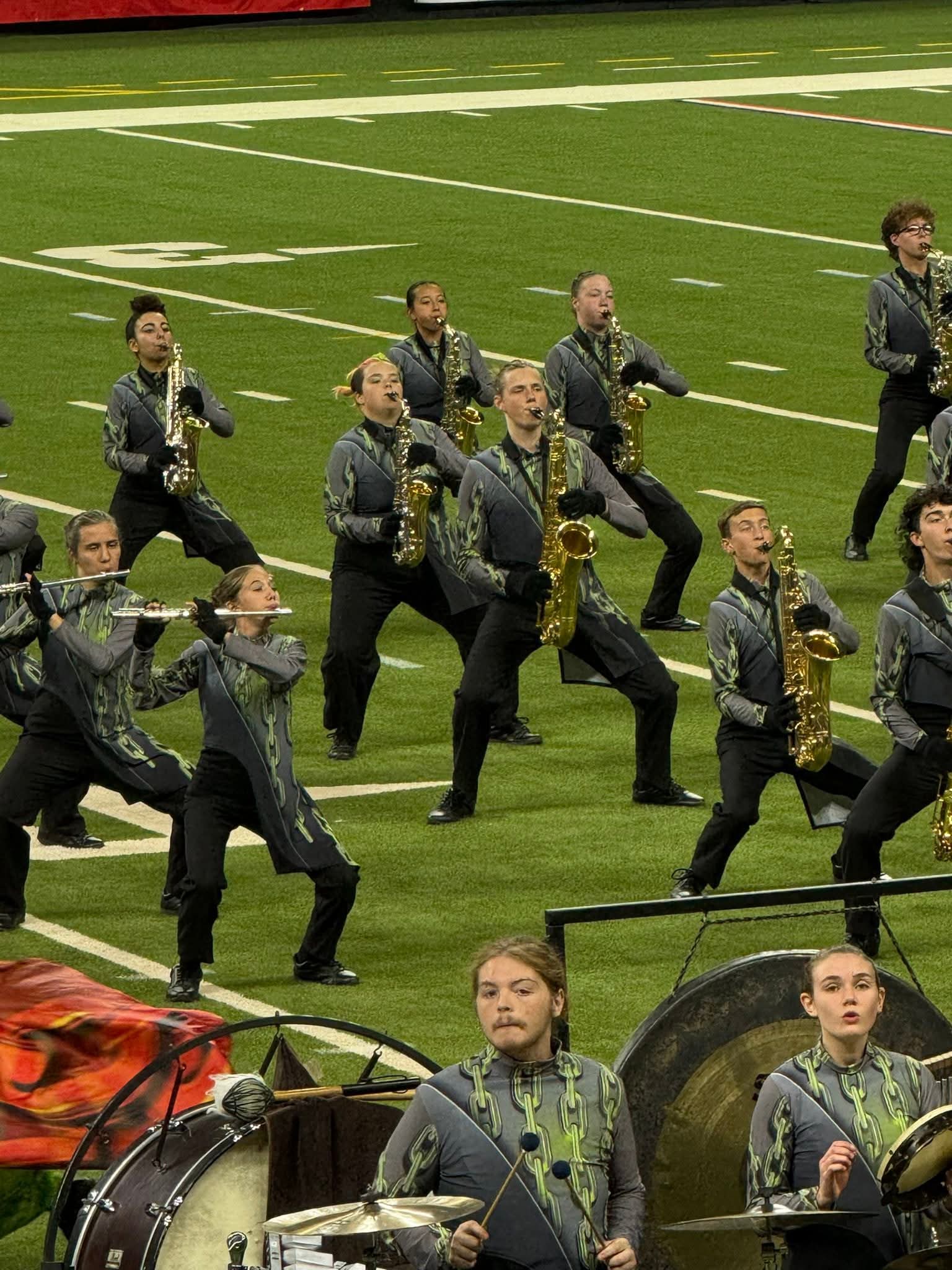
The depths of my clients’ despair, and the height of my children’s joy, all in one day: it’s a lot. Both are real, very real. They are the very essence of life.

One day like this is intense, and usually one has a few days to reflect and process afterwards. But there is no time, because there is another day too close behind it.

So how do I handle life when there’s too much of it? How do I keep from going numb?

The reason this post has been many weeks in the making, and has been such a hard post to write, , is because I do not have an answer. I tell myself things, and hope they are right.
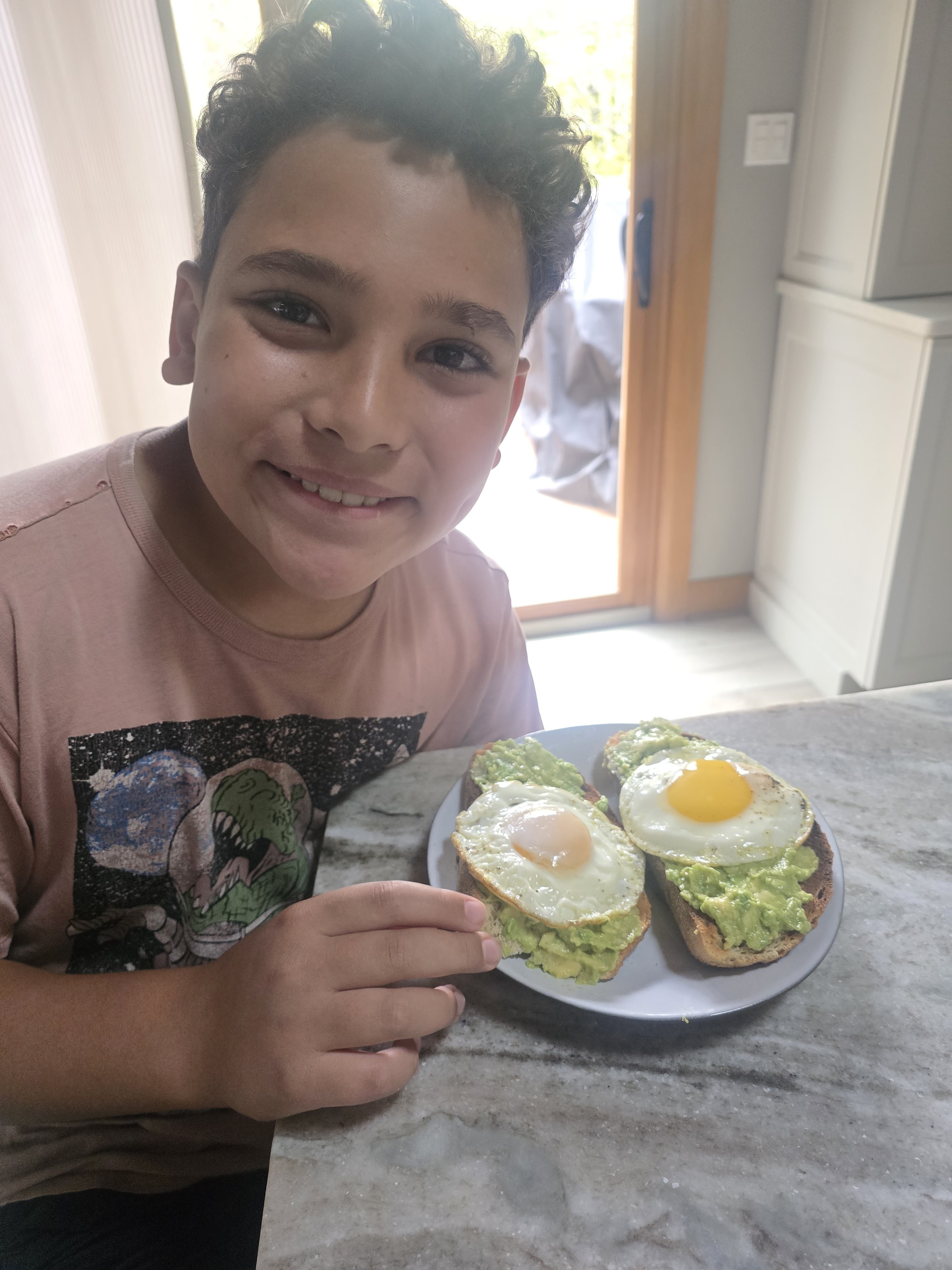
“Be present,” I remind myself, and give the best of myself in the moment. “Soak up the moment,” I tell myself: whether that is enjoying whatever is happening with the kids, or weighing the strengths and weaknesses of an approach I’m considering in a case, or remembering clients’ confidences to me.

In any given hour, or on any given day, there is much that needs to be processed. I find myself unable to focus on what is in front of me because my mind is still sifting through all the events and emotions in the immediate past. Maybe what I need, then, is more time to intentionally reflect. As if time is an abundant commodity! What I need is to give myself the time and space to process all those events and emotions so that I can clear my mind and focus on what is in front of me.

What that reflection time looks like is different for everyone, but for me, it is a few things: writing, like now. And also being outdoors and allowing my mind to wander and do what it needs to (in other words, not listening to podcasts that often just give me more information and emotions to process). Is my introversion showing? I suppose so. It would probably also help to have conversations with some of the people closest to me.

And maybe all that–more reflection time, more being present in the moment–is right. But what I am more certain of is that this phase of life is one that I will look back on as consequential. What happens to our country and what others in and out of my circles choose is largely out of my control, but how I respond to it is not. I don’t know what place I will be looking back from, and I know I won’t have handled everything exactly as I ought to have, but I want to be able to say that I did the best I could, and that I grew during this time. Grew spiritually, emotionally, professionally. That is the best I can expect of this phase, and it is worth working towards.
Smoke & Mirrors, and Sticks & Stones

Smoke & Mirrors, and Sticks & Stones

I know it’s been a long while, but in an effort to better mind my own sanity during these times, I think it’s time I found ways to write more, so here goes.

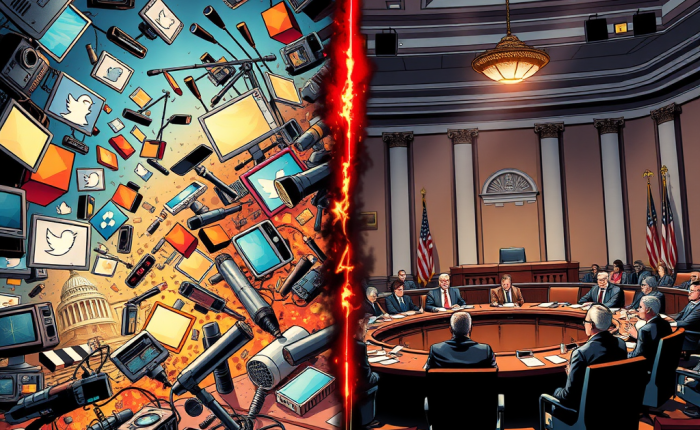
I want to start by sharing a personal exercise I did recently. One day in late March, I saw two video clips. In the first, a Democratic representative from New Mexico asserts that Congress is handing over its authority to the President to do whatever he wants to the Federal government. That is not true.

In the second, a Republican representative (who also chairs the committee and sponsored this bill so in theory should know it best) maintains that this is just a reauthorization (more like a renewal than a change) of a bill that’s been around for a long time. That is also not true.

I got curious: what were the different parties advocating for? And did anyone “win?” Of course, quick searches online only brought up more clips. Clips, as many of us would do well to remember, are edited to support a viewpoint. They end right after a smart comment and leave out the reply, or start at just the right moment to leave out some necessary context. So I dug a little and found the full video of the hearing (the link starts at where debate about the bill begins). I encourage you to watch 10 or 12 minutes if you can.

And since I am a former nerdy law school student, I found the bill amending the regulations and hand-wrote in the amendments to see what these amendments would really change. More on that in a minute.

Here’s what I learned from watching the full video–and bear with me because, while I know none of us have time, it takes more than a few seconds to explain this: neither side was being entirely fair in their statements, and even though one side’s assertions arguably do more harm than the other, neither’s behavior is what we should accept from our representatives.

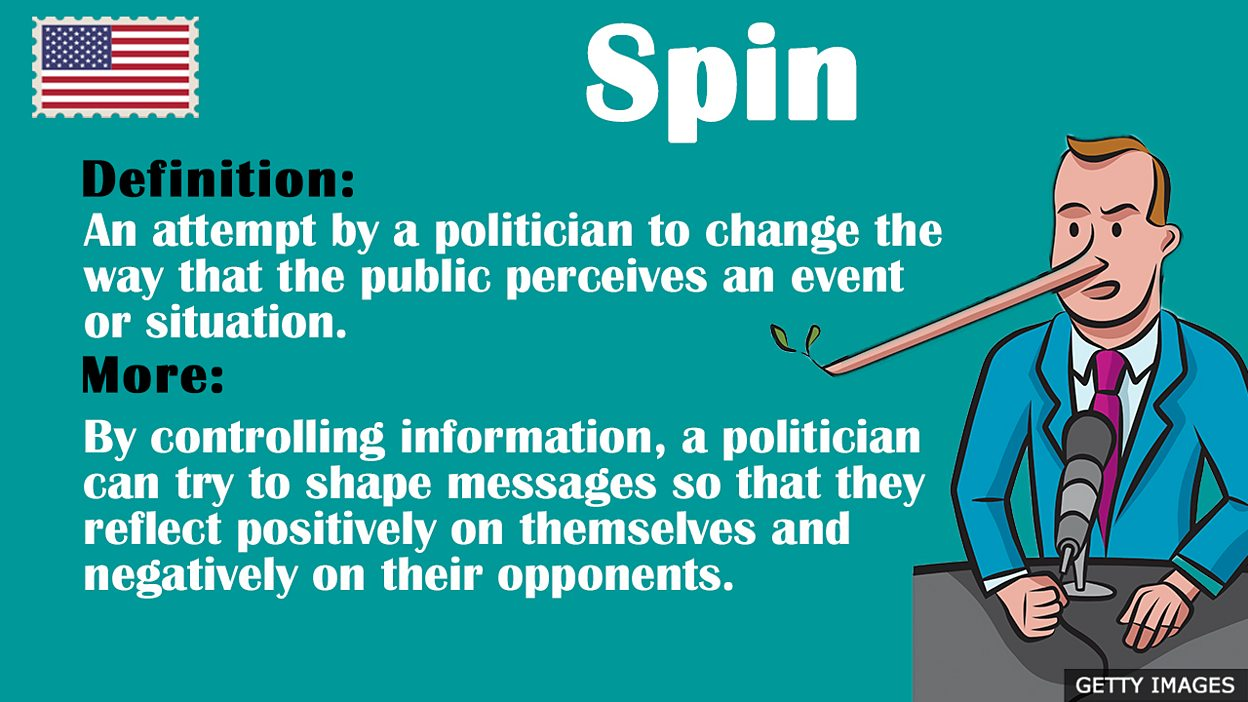
Why am I dwelling on this one bill? Because I want to remind myself, and anyone else who will listen, to always remember the role of spin doctors (and no, I’m not talking about the 90’s band). I think the communication about this bill to the public (whether from elected officials and their staff, from the media, or from organizations that try to look like media) is a good example of how what is actually happening can be completely obscured by the many videos, memes, and commentaries that pop up on our phones every day.

For anyone who’s interested, here’s what the bill is about: the authority to change the government to make it more efficient. The bill allows the President to propose changes, and ultimately implement them, but keeps the approval authority with Congress. The bill also expands the changes a President is allowed to make, and by a lot. And the new language is vague enough that it really can mean whatever the President wants it to mean.

So for example, the proposed language talks about cutting agencies to get rid of “unnecessary” operations, or reducing/ eliminating compliance rules, with no counterbalancing consideration required of what harm those rules are preventing or safety standards they are maintaining. It also allows the President to eliminate any department he wants, including one that has an enforcement function. The current regulations do not permit this, for obvious reasons.

So overall, it would give the president more (but not absolute) power than the executive branch currently has. It is not a complete rolling over and handing of Congressional control to the executive branch. But neither is it just an extension, or reauthorization, of existing law. It is a dangerous bill to pass at a time when the executive branch’s M.O. has been to do whatever it wants without regard for laws and procedures.

But if we are not hearing this message clearly, but rather are hearing only snide remarks and irrelevant questions, how are we supposed to know what our representatives are really doing? And consequently how are we to make wise choices about who to elect or what to vote and not vote for? The fact that so much of what we see and read, especially in the form of “news” on social media feeds, is so doctored to produce a certain reaction, is really alarming. And really harmful.

And that is my main point. We need to find a way, despite the information overload and lack of time, to read real news. We need to listen to, or watch, or read news reports that at least try to tell us what is happening in a balanced way. These news sources are out there, but they are, well, less flashy and less entertaining. But news is not entertainment. It is a fundamentally important part of a functional democracy and society. If it’s entertainment we seek, we can get that from Netflix.

On a side note, I was struck by how some legislators do not appear to have read the legislation they are introducing or debating, or they do not understand how regulations are organized. And that’s really sad for our country.

Broadly speaking, it hints at a common sentiment in my circles at the moment: our democracy is at a real risk of dying. The things the US government is doing are not only unlawful and, more broadly, trying to dismantle the rule of law, but they have created true suffering. I’m not talking about the many who have lost and will lose jobs, although that is extremely stressful and disruptive and will hurt families and the country in many ways. I’m talking about innocent people who happen to have the wrong skin color or speak the wrong language being ripped away from their homes and families and put in violent prisons in other countries even though they have never committed any crimes. And who have no way to prove their innocence or to go home. I never thought that this kind of thing would happen, and with such frequency in such a short amount of time, in America today. I am seeing just how powerful fear and misinformation can be in making the country act against its founding principles.

Another common sentiment I’m hearing a lot is: what can we do? I do not have an answer, but the following quote from Elie Wiesel (who was, as you probably know, saw the rise of authoritarianism up close as a Holocaust survivor who went on to become a professor, writer, and Nobel laureate) comes to mind: “We must always take sides. Neutrality helps the oppressor, never the victim. Silence encourages the tormentor, never the tormented.”
― Elie Wiesel