How Big Can a Day Get?

How Big Can a Day Get?

It is fall and the weather is cooling, the leaves changing color. It is the beginning of my oldest child’s senior year. It is, now, the end of marching band season. It is the first year of an administration that may well destroy our government. And increasingly, it is a lot.

Workdays are lists of tasks, many of which are attempts at solutions to newly created challenges, as the various immigration agencies and courts announce policy changes. I try to take each day, each task, one at a time. I try to stay careful, and to stay caring. But discouraging us from advocating for our clients is the point of this administration, and it is sometimes hard to ignore.

I listen to the worry and stress of my clients, as they try to decide what to do next, as they share their worries for themselves and their families, and their disappointment that America is, after all, no different from the places where they’ve come from, where they were treated as second class citizens because of the skin they were born in, or the values or beliefs they hold.

And then I go home, and I am plunged into the excitement of my kids’ worlds. There is a competition one weekend, or a soccer tournament or Homecoming another, and the celebration of their relationships and their music–for one last time in the case of my oldest. (And let me not get into the constant tug between guiding our oldest and letting her step where she chooses–and accept her choices. But that is a post of its own.) It is bittersweet and yet exhilarating.

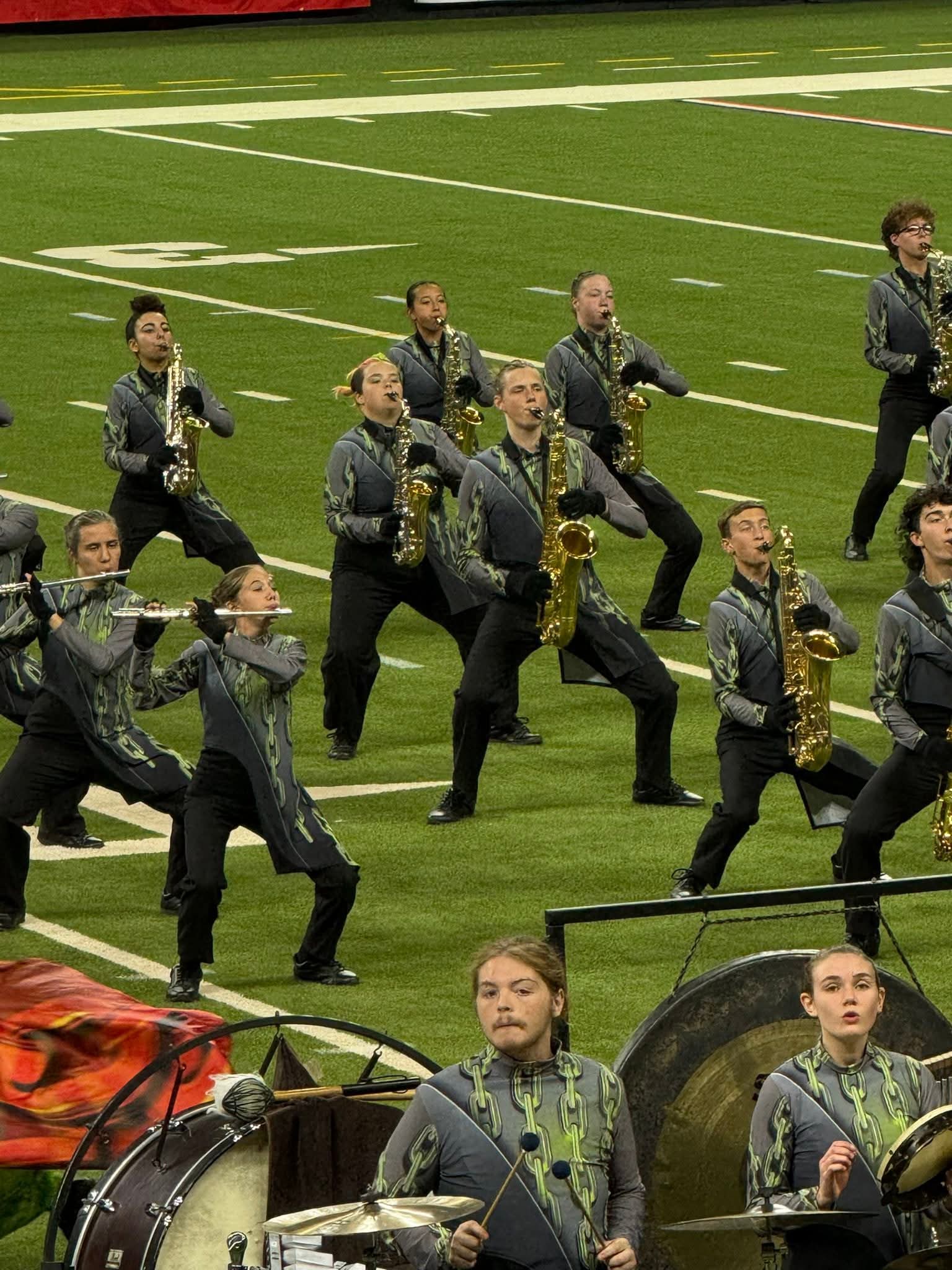
The depths of my clients’ despair, and the height of my children’s joy, all in one day: it’s a lot. Both are real, very real. They are the very essence of life.

One day like this is intense, and usually one has a few days to reflect and process afterwards. But there is no time, because there is another day too close behind it.

So how do I handle life when there’s too much of it? How do I keep from going numb?

The reason this post has been many weeks in the making, and has been such a hard post to write, , is because I do not have an answer. I tell myself things, and hope they are right.
“Be present,” I remind myself, and give the best of myself in the moment. “Soak up the moment,” I tell myself: whether that is enjoying whatever is happening with the kids, or weighing the strengths and weaknesses of an approach I’m considering in a case, or remembering clients’ confidences to me.

In any given hour, or on any given day, there is much that needs to be processed. I find myself unable to focus on what is in front of me because my mind is still sifting through all the events and emotions in the immediate past. Maybe what I need, then, is more time to intentionally reflect. As if time is an abundant commodity! What I need is to give myself the time and space to process all those events and emotions so that I can clear my mind and focus on what is in front of me.

What that reflection time looks like is different for everyone, but for me, it is a few things: writing, like now. And also being outdoors and allowing my mind to wander and do what it needs to (in other words, not listening to podcasts that often just give me more information and emotions to process). Is my introversion showing? I suppose so. It would probably also help to have conversations with some of the people closest to me.

And maybe all that–more reflection time, more being present in the moment–is right. But what I am more certain of is that this phase of life is one that I will look back on as consequential. What happens to our country and what others in and out of my circles choose is largely out of my control, but how I respond to it is not. I don’t know what place I will be looking back from, and I know I won’t have handled everything exactly as I ought to have, but I want to be able to say that I did the best I could, and that I grew during this time. Grew spiritually, emotionally, professionally. That is the best I can expect of this phase, and it is worth working towards.
The World Is Still a Big Place

The World Is Still a Big Place

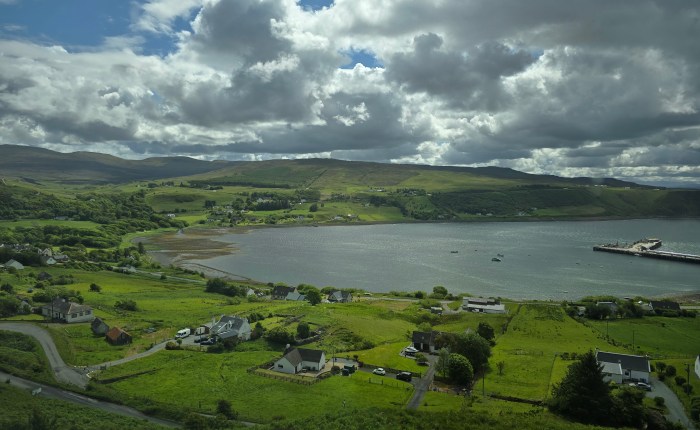
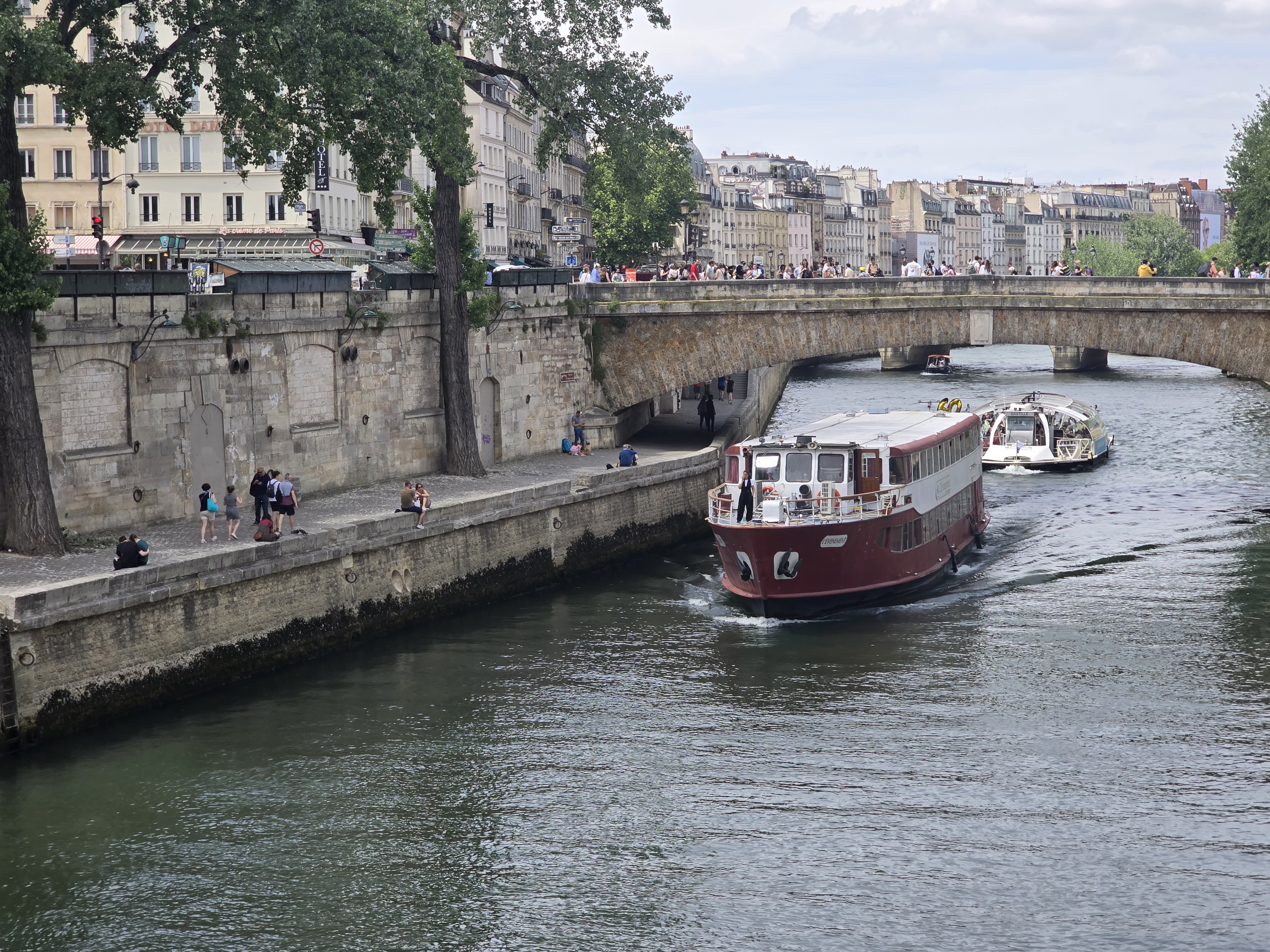
A few days ago, my husband and I were on the flight home from a long-awaited 20th anniversary trip. This post isn’t about all the things we did—fun as that would be to tell.

It’s about some of what I observed, and some of the conversations I had with taxi cab drivers and fellow bus passengers. It was, above all, a reminder to me that the world is still a big place, and there is still so many different perspectives.

I think many travelers—my husband and I, in any case—often wonder, when traveling, what the lives of the people who live in that place are like. We see what they see, and eat—mostly—what they eat. But day to day, what do their lives look like? What do they do after work? Are groceries expensive for them? What do they talk about with their friends? (This is the anthropology major in me, I know.)

But the other question I ask—and perhaps not as many travelers wonder this—is what my life would look like if I lived there. Would I still love the things I love as a visitor? Or would the things I love be outweighed by other practicalities: the cost of living, for example, or the length of my commute and the amount of free time I’d have. And, importantly, would the things I love about my “real” life be able to transfer to this other life?

It’s a form of escapism, I know, imagining life in a new place. But you may understand why. Our life at home has been so overshadowed by uncertainty and dismay since January 20. The new regime has affected very directly the lives of many we know, and it’s affected my work directly. So this trip, in addition to being a celebration, was so needed just to step away and, well, be. To see new things, to start conversations with strangers, and to spend some days away from our routines.

And it was a good reminder that for much of the world, especially outside our country, life carries on. The people we met still carry on doing the things they’ve always done, and finding joy where they can: whether that’s in telling funny stories, or enjoying a good meal with new friends, or appreciating a beautiful garden or landscape.

Because we live in the United States, and America’s actions ripple widely, the topic of politics did come up a time or two as well. In particular, two conversations, one about politics and one not, demonstrated to me the contrast between the country our administration wants us to be and the country that we actually are.

The first conversation was about colleges. Our driver was under the impression that everyone in the United States went to university after high school, and that public universities were automatically accessible to everyone. The private schools he’d heard of—Ivy leagues, mostly—he thought were accessible to anyone who could pay, and were specialized in something: law, engineering, etc. I tried to explain to him in my rusty French that, no, in fact, even the private universities tried to attract the most academically strong class they could, and they often enrolled students who were not at all rich but who showed a lot of potential and so attended on scholarships, etc.

As I was speaking, I realized a couple concepts were basic assumptions we make as Americans that may not exist elsewhere in the world. The first is the idea of merit. Students who show a lot of potential should not be limited in their opportunities by what they or their families can afford. They earn the right to reach for their potential.

The second is that that potential is limitless. American universities are arguably among the best in the world because they attract the brightest minds to work on the world’s most pressing problems, and the solutions those minds have come up with are, truly, incredible.

The second conversation was about politics. Someone asked me what I saw for the future of America, and my answer was that I truly didn’t know. The leaders of the country currently are trying to take us back to a time when power and wealth are held in the hands of very few (and those few happen to be white and male—I’ll say no more than that now). What is happening is obviously more complicated than that, but since I had to boil down my point to its essentials (time and language did restrain, after all), that would be it.

The two stand in stark contrast. On one hand, America has stood for a belief that people should strive to reach their potential (however great or small that may be) unhindered by the color of their skin or the chromosomes in their DNA. On the other hand, America has since the Great Depression fought against, and now is fighting for, the idea that in fact it is a small number of people who should hold the majority of the wealth and power, and decide the direction of the country.

It remains to be seen which vision of America will be adopted by the most Americans in the coming few years, but in the meantime, the world continues to spin, and those outside our country continue to watch us, but only to the extent that it affects them (think tariffs, as an easy example). Otherwise, they carry on with their lives.

One of the folklore tales we heard on the trip was of an elf who offered a solution to people’s problems, but the solution was often worse than the problem. It was a reminder to me that stories repeat over time; putting our faith in a promise maker (or snake-oil salesman—take your pick) often results in grief.

That perspective—that ability to remember always that we always have control over how we react to our circumstances, and that people have (mostly? often?) survived through oppressive regimes, as well as thrived through prosperous ones—may be the best souvenir I will have taken from this trip.

Themes Turning

Themes Turning

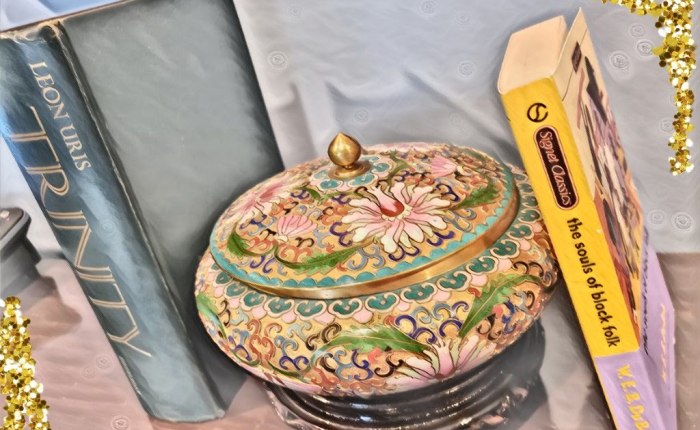
Totally by coincidence, and months ago now, I found myself reading two books in parallel. The topics are different. The genres are different. The style of writing is different. The books are set on different continents. The authors are not even contemporaries. Yet the themes could not be a closer echo of each other.

The books are Souls of Black Folk, by W. E. B. Dubois, and Trinity, by Leon Uris.

Neither book is modern, which makes the language outdated. In their lack of buzz words and modern code, their voices become fresh again to a contemporary reader.

The main parallel I saw was in the authors’ treatment of poverty. In their own unique ways, the authors question the assumption (as prevalent then as it is now) that the poor are deserving of their suffering because they are lazy, dirty, dumb, name your flaw. They are somehow less than.

You may need to read that again. The poor are lesser humans, and therefore deserve their situation. Is this true? Whether we think we believe it or not, how many of us behave as if it is? And how do we know? I will not presume to answer this for you.

This is, on another note, Holy Week for Orthodox Christians. The readings and litanies of this week invoke a sense of deep introspection. Repentance, gratitude, compassion, a sense of our own wretchedness. A sense of being intimately known and intimately loved. All the reference points from which we have ever stood come together in this one week for an incredibly powerful spiritual reckoning–if we put in the time and effort to partake, of course.

So I had all this on my mind during today’s service. And as often happens, the readings  were read as if they were responding to my thoughts. First, a Psalm, and then, a Gospel passage, well known, from Matthew 25. (Psalms 41: 1-2 and Matthew 25: 31-46, if you’d like to look them up for yourselves.) Here was a message about considering–thinking about–the poor, so that God will come to our aid in our [inevitable] time of trouble. And then, in Matthew, Christ teaches that when we help others (the sick, the imprisoned, the hungry, the homeless), it is as if we are helping Christ Himself.

God, the Creator of the Universe, is likening himself to those poor, those lesser-thans. He is encouraging us to help them. Which means we have to connect with them. Which means moving out of our comfortable circles to do the inconvenient, the uncomfortable thing for those whom it doesn’t apparently benefit us to help.

Here is my wider point. Meditating on our own spiritual/ emotional state, moving outside what is known and comfortable to connect with others, these are all (among other things) the very things that give life its meaning and its richness, I believe.

I ask you then to ask yourself, as I do myself, in what ways we can stay spiritually connected; past this week for observers of the Orthodox calendar, or past another time of spiritual awakening for others. What can we do to deepen our connection with the Creator of this world, and, in so doing, remind ourselves and others of Who that Creator is?


Who Still Talks of Idols?

Who Still Talks of Idols?

What is the one thing that occupies your thoughts? The one thing that you devote mental space and effort to each day? If you can’t name the top one, how about the top two or three?

What are we pre-occupied with? Our highest teachers have told us what the answers should be: spiritual growth (particularly for those of us who practice faith), showing kindness to our fellow man, or serving in our community, raising children well, or any other multitude of principles that benefit us or those around us in a long-term, meaningful way.

Those might be the answers we “should” give.

But the images and mantras most of us encounter on a daily basis inundate us with answers of their own. These messages pair two disparate things together–so persistently and so forcefully–that people have come to accept them, many times without even noticing. Fitness (apparently a sign of self-discipline and other virtues), wealth (happiness comes only to those with a luxury car and a big house), beauty (beautiful people are good people) are just a few of these messages.

So let me ask it again: what is the one thing (or two or three) that occupies your thoughts?

What I’m getting at is not a new idea. In fact, it’s a very old one. Biblical times old. Moses old.

“You shall have no other gods before Me.” Exodus 20:3 (NKJV)

To the people under Moses’ leadership, it meant don’t worship anything above God.

Not a golden calf.

Not the gold that made the calf.

It meant don’t rely on anything or anyone but God to save, or guarantee anything. Indeed, we mustn’t because we can’t.

Yes, yes, we know. Money doesn’t buy happiness. Lots of rich folks have great sorrows.

But what about if one is super popular and has lots of friends? That’s all we need, right? Good times with good friends? (Assuming, of course, that nobody every changes, there’s never any disagreement, nobody moves, everyone always lifts each other up, and everyone you want to be around is always instantly available.) So in other words, maybe not?

Ok, so what about if we are super healthy? Eat well, get enough sleep, exercise regularly? Healthy bodies means we’ll have a good long life, able to do everything we want or need to do. Ok, not a bad thing in and of itself. But doesn’t health mean tanned, toned bodies? Actually, no. But those are the images we’re urged to accept of health.

Where am I going with this? I’m asking you, simply–as I ask myself–to examine what we allow to occupy our minds and take up our precious time and energy. Our days and abilities are limited. Let’s make sure we’re laying them down at the feet of only the Worthy.


Goodness small and pale

Goodness small and pale

This morning, my almost two-year old son, holding up his arms to me, nestled his head against my neck as soon as I picked him up. For a moment, I savored the sweetness and the peace. It was a simple moment, like one experienced by many souls past and present on this earth, and it was priceless.

But then the day flooded in. Syrian children and other innocent civilians being bombed to death, or starving underground in order to avoid being bombed. Angry and worried gun-owners insisting that we need guns to protect us against the bad guys. Oh, and parents who less than two weeks ago lost their teenagers–teenagers!–and somehow managed to contain their mourning enough to go and plead to their governments to act, for this is not the first massacre.

The world is full of evil. There is also good in the world. And innocence. The goodness and innocence, small and pale in a world that is always competing loudly for our attention, are easy to miss.

But maybe the evil is too. Not the evil that makes itself known in blood and flesh spattered across sidewalks and high school lockers as kids run screaming. Not the evil that threatens people with their lives, or brazenly steals from them. That is evil we all recognize for what it is.

But there is also the evil that whispers to our fears, fanning them. The evil that blinds us to the way our own thoughts are fueled by self-preservation. Or pride. The evil that steals our peace, our churning malcontent bruising those close to us.

For Christians, this is the season of Lent. In the Orthodox church, it is a season of close examination and testing of our spiritual state, of repentance and a drawing near to the Source of Life. It couldn’t have come at a better time for me. It is only by drawing near to God that I can regain my perspective. While I cannot eliminate evil from my world–none of us can–I can seek God’s wisdom in how to recognize it. How to respond to it. How to love even those who bruise us. I can ask Him for the sustenance that the world in all its wonder cannot give. I can ask for peace. And I can have faith that God will answer.

New Chapters

New Chapters

A typical day in my life doesn’t usually go according to plan. But one morning last week was an exception. I fit in a workout and shower before 7am, the older kids got dressed and did their morning chores without extra prompting, and the day was off to a positive, earlier-than-usual start. It stayed that way all day, too. Hi-fives and feel-goods all around.

Here’s the issue: whenever I have a day that good, I expect every day to be that good. Just like I expect the kids to always be good just because they’ve demonstrated that they can be. Just like I expect myself to always be super-productive in every way. (You’d think nine-plus years of motherhood would have beaten that out of me, but I am, by any indication, a slow learner.)

And then, when the day’s not so smooth–and it usually isn’t–I am hard on myself, hard on the kids and impatient with pretty much everyone and everything. That person is not the person I want to be and this daily pattern it is not the way I want to live.

The older I get, the more I am convinced that the things we would wish for if genies were real are things that cannot be wrapped and put under a tree. Improved health. Restored relationships. Peace. Freedom from worry. A job we love. We all have something. And for many of us, the fact that we don’t have this thing can easily lead to frustration and, well, impatience with ourselves and with the world. There is a restlessness to our humanity that no amount of consumerism or distractions can satiate.

There is a well-known passage in I Corinthians, Chapter 13 of the Bible that lists love’s attributes, and among those attributes is patience. I’ve read or heard this passage approximately 783 times in my life, and I think I’ve always understood “patience” to mean doing things like waiting for a slow walker, or, I dunno, listening to your grandma tell the same story for the tenth time. It’s only recently dawned on me that this is a very superficial understanding of patience. Patience is kindness is forbearance is love is patience. It is seeing the flaws and failings of another, and of myself, and accepting the person anyway, being gentle anyway. Not because you don’t see the flaws or don’t expect better, but because you know how hard life can be on each of us, and because a gentle response has never done the harm that an impatient one has.

This has become manifestly apparent in my parenting. Between encountering a new preadolescent in my oldest child, scooping up the 30-some pound angry acrobat that is my terrible-two-ish youngest, and not neglecting the middle child, I often lose whatever cool I may have once had. And when this happens, I doubt my skills as a parent and worry that I am ruining my relationship with them and scarring them for life. A little more self-restraint and patience with each of them and myself would make all the difference. Of course, a change this fundamental is easier declared than made, but it is still January, and it is not too late for resolutions. (Not that it ever is: resolutions are made when you are ready for them, not when the calendar dictates.)

So, patience. It’s my resolution for the new year. Patience with the kids when they act like, well, kids. Patience with myself, as I am a less-than-perfect mother and human being. Patience for this messy, imperfect life that we all live.

Decade Turning


In the months leading up to my birthday this year, the big questions have often and repeatedly pushed into my thoughts: am I living the life I want to live? The life I was meant to live? Have I accomplished all that I should have by this age? (What is it, by the way, that I should have accomplished?) This was, you see, the year I turned 40.

Even just typing those two digits is surreal. Forty-year-olds can’t claim the hint of youth that thirty-somethings can claim (and that twenty-somethings possess outright). And the evidence is there. My body doesn’t recover as easily as it used to from exertion and injury. Also, forty is the age that women are supposed to begin getting yearly mammograms–how’s that for a sign of aging?

On the flip-side, I have less fear of people’s judgement of me, but more fear for the fragility of life. Fewer things make me panic, but when I do worry, it’s a can’t-sleep-at night kind of worry. The way I respond to life’s surprises has changed, and I hope it’s for the better.

20171208_1556041778301568.jpg

I realize I’ve traveled many miles when I look back at the last decade: my belly has swelled and deflated three times with the growing of three new lives–well, not fully deflated, but that is a topic for another day. I have nursed those three infants for a total of almost three years. My family has suffered, and survived, the sudden loss of my father. I have completed a professional degree, accomplished some work missions that I am proud of, and written my first book. I have learned immeasurable lessons about forgiveness, bravery, kindness, love, and a number of other things that make us human.

The time for textbooks and swaddling blankets is behind me. Turning forward, I know that many personal and professional opportunities for growth and failure await me, as do more lessons in humanity. Looking forward, I also know that my mission, along with my husband, is to lead those three lives in our charge through childhood and adolescence and nurture them towards the best of themselves.

Forty is in part a look back at one’s life to see if any of those 14,610 days have been wasted, but it is also a reckoning that my life, assuming God grants me a long one, is half over, more or less. And do-overs are not guaranteed. Time is fleeting; you can neither pause nor repeat it.

If I miss enjoying my kids at a certain age, that chapter is gone. They keep growing and cannot revert. If I miss the opportunity to do something new, that opportunity may never come again. If I decide to give the markers of our lives (birthdays and holidays, for example) a pass one year because I just don’t feel like it, that occasion is gone. If I have the opportunity to lift a stranger or friend up in their time of struggle, and I do not, for whatever reason, I forgo that gift. The place for those memories is empty, and I think one of the things I fear most is to look at my life, both at its end and in the after-life, and find that where those riches should be, there is only emptiness.

So the question I have to ask myself is this: what do I consider riches? When I am old or gone, what will give me pleasure and pride to remember? What kinds of memories will allow me to say that I have lived a good, rich life? What memories are worth storing up? Whatever those are, that is what I have to pursue, earnestly, in the present.

Forty-year-olds are supposed to have it together and be settled in life. They are supposed to know themselves and have answers to all the big questions. I for one don’t have it together and the answers to the big questions evade me as much as they ever did. OK, maybe not as much, but neither do I have it all figured out. And in a way, I hope never to, because when you think you have all the answers, you stop asking questions. When you stop asking questions, you close yourself off to all the mysteries that remain unanswered in this wild ride called life. And this ride is one I very much am still on.

The Holiday Ache

The Holiday Ache

A buzz is in the air. I see, even as they go through their routines, people attending to work or school with a light touch and the gleam of warmth and turkey in their sights. It is Thanksgiving week.

Many of us will be seeing loved ones. Many of us are preparing for the holiday. Meals. Travel. The house for hosting. Something. There is an aura that surrounds people at the thought of the holidays. Busy-ness and anticipation. All most of us long for is to enjoy one another, yet these memories don’t create themselves. So as soon as Thanksgiving’s over, it’s full-on holiday frenzy. Gifts and Christmas parties and holiday greetings. I’m already drained thinking about it.

This year, I’m not in the spirit. And I know I’m not the only one. So to all the others out there who will work to put the festivities into the upcoming holidays, even though your heart’s not in it, know you’re not alone. Thank you for doing it anyway. In her book, The Happiness Project, Gretchen Rubin quotes, “It is easy to be heavy, hard to be light.” This little nugget of wisdom has burrowed itself in my mind, and it often comes to the forefront of my thoughts these days. So take heart, fellow non-jolly people. New Year’s will arrive. And then we can let winter be winter. And then, while we wait for March, I will do my daily work, then revel, in between the scarves and warm boots, in winter’s gift of cozying up in the early dark.

Seeing the Pixels

Seeing the Pixels

I shut my ears to the voices of discord and anger. I shut my eyes, searching for the peace that the God of all things bestows. Colors flow through my mind: ruby anger and amethyst death and obsidian fear and jade destruction.

In the face of darkness, emboldened and unveiled these past months, I find myself mute.

The fact is, I’m tired of being outraged, of watching greed and narcissism use power to oppress. I’m tired of being sad, of grieving for all the senseless loss of life and love and for all the pointless, useless pain.

‘Hug your loved ones close and appreciate the good in your life.’ We’ve all heard a variation of this message in response to life’s hardship. It is important, because gratitude gives richness to our lives. But is it enough? In the face of active corruption and cruelty, is it enough?

A still Voice reminds me that there has always been and always will be darkness in the world, but that there is also light. The Pantocrator urges me to keep my own peace in the world around me. Reminds me that this life exists for how I use it to prepare for what comes next. Urges me to be the light. And so I imagine what would happen if more of us tried to be light.

What does it mean to be light? With each oversimplified meme and soundbite I encounter, I am becoming more and more convinced that it means shining light on things as they are, not as they’ve been made to look. We live in an age of spin doctors–that wasn’t just a nineties band. Shining a light means looking beyond the spin: listening to or reading actual sources, not just someone’s interpretation of them, and evaluating them on their own merits. It means analyzing leaders’ messages and then calling out their inconsistencies, because too often the stories they tell change on a weekly basis, and it takes someone reframing what has happened for us to see the truth. Be that someone.

Yes, there are some diametrically opposed beliefs about how we should proceed as a country, and there are some very, very strong feelings about them. Feelings of anger, of defensiveness, of contempt, of hurt. These feelings are valid. And I’ll be honest. Speaking for myself, I don’t always know what to do with them, other than be aware of them, examine them, and when appropriate, direct the fire they ignite into a solution.

My point is this: there are proponents for every cause and every political stripe that use the same tool to their own ends. They use a broad brush with which they paint the “other” side, dismissing it as stupid or evil (the adjectives used are harsher), or with which they paint their stance as flawless. Those strong feelings we all have are exacerbated by those with the giant paint brushes who would convince us that the other side hates us and, if left unchallenged, will take away everything we value.

Can we leave the fear mongering and diversion tactics to our current head of state and his team of trusty sidekicks? (And by that I really mean call it out.) We the people are being played, and it is time to step away from the tweets and direct our attention to what the government is and ought to be doing.

We are, as I’ve said before, a big, complicated country. Healthcare, public education, gun control, welfare, emergency and disaster management, environmental regulation, tax reform, taking a knee and the NFL, name the issue. Now read something longer than three sentences about it, or have a respectful conversation with someone who disagrees with you. It doesn’t take long to see that the issues are multifaceted and often intertwined. If they were simple, smart people would have solved all the things.

We have to start applying our minds and not only our anger to these issues. We have to zoom in and see the pixels. They are not just red, yellow, and blue; they are all the colors that emerge therefrom. And if we can’t each zoom in on everything –and none of us can–then we have to choose what we can zoom in on and let others do the same.

I love that so many people are talking about topics that in other days would have been obscure: gerrymandering and redlining, to name a couple examples. I believe very strongly that information and awareness among citizens are crucial to developing a truly democratic civilization. And I am realizing that forbearance and a willingness to listen before defending are also important–and skills I need to work on. I won’t ignore that there are those who will always hold their broad brush and only see red, refusing to see anyone on the “other” side as anything but a *#&^%#. But they are by no means the majority, and they cannot be the force driving this country. Our strength is in our many diverse experiences and voices, and we ought to allow each other the space to question, explore, and learn.

When I was in college, I attended a talk given by the outgoing president about the college’s motto: Lux Esto. He reflected that the Latin phrase actually had two translations: “be light,” the commonly used translation, and “let there be light.” In other words, shine your light and enable others to shine theirs. I don’t know why that message stuck with me, but I understand it now. I cannot think of another time in my life when it has been more important.

In the face of darkness, emboldened and unveiled these past months, lux esto.