How Big Can a Day Get?

How Big Can a Day Get?

It is fall and the weather is cooling, the leaves changing color. It is the beginning of my oldest child’s senior year. It is, now, the end of marching band season. It is the first year of an administration that may well destroy our government. And increasingly, it is a lot.

Workdays are lists of tasks, many of which are attempts at solutions to newly created challenges, as the various immigration agencies and courts announce policy changes. I try to take each day, each task, one at a time. I try to stay careful, and to stay caring. But discouraging us from advocating for our clients is the point of this administration, and it is sometimes hard to ignore.

I listen to the worry and stress of my clients, as they try to decide what to do next, as they share their worries for themselves and their families, and their disappointment that America is, after all, no different from the places where they’ve come from, where they were treated as second class citizens because of the skin they were born in, or the values or beliefs they hold.

And then I go home, and I am plunged into the excitement of my kids’ worlds. There is a competition one weekend, or a soccer tournament or Homecoming another, and the celebration of their relationships and their music–for one last time in the case of my oldest. (And let me not get into the constant tug between guiding our oldest and letting her step where she chooses–and accept her choices. But that is a post of its own.) It is bittersweet and yet exhilarating.

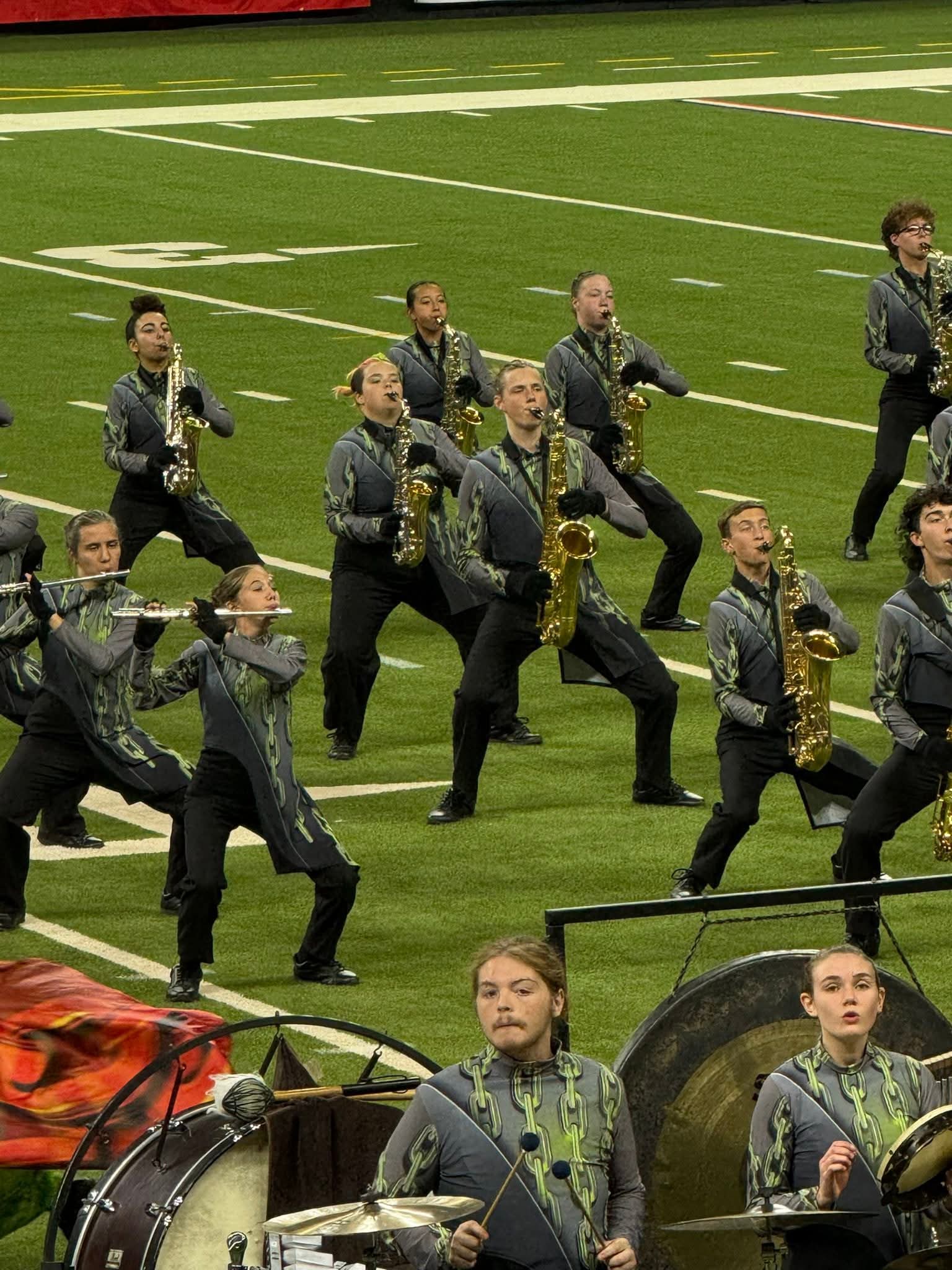
The depths of my clients’ despair, and the height of my children’s joy, all in one day: it’s a lot. Both are real, very real. They are the very essence of life.

One day like this is intense, and usually one has a few days to reflect and process afterwards. But there is no time, because there is another day too close behind it.

So how do I handle life when there’s too much of it? How do I keep from going numb?

The reason this post has been many weeks in the making, and has been such a hard post to write, , is because I do not have an answer. I tell myself things, and hope they are right.
“Be present,” I remind myself, and give the best of myself in the moment. “Soak up the moment,” I tell myself: whether that is enjoying whatever is happening with the kids, or weighing the strengths and weaknesses of an approach I’m considering in a case, or remembering clients’ confidences to me.

In any given hour, or on any given day, there is much that needs to be processed. I find myself unable to focus on what is in front of me because my mind is still sifting through all the events and emotions in the immediate past. Maybe what I need, then, is more time to intentionally reflect. As if time is an abundant commodity! What I need is to give myself the time and space to process all those events and emotions so that I can clear my mind and focus on what is in front of me.

What that reflection time looks like is different for everyone, but for me, it is a few things: writing, like now. And also being outdoors and allowing my mind to wander and do what it needs to (in other words, not listening to podcasts that often just give me more information and emotions to process). Is my introversion showing? I suppose so. It would probably also help to have conversations with some of the people closest to me.

And maybe all that–more reflection time, more being present in the moment–is right. But what I am more certain of is that this phase of life is one that I will look back on as consequential. What happens to our country and what others in and out of my circles choose is largely out of my control, but how I respond to it is not. I don’t know what place I will be looking back from, and I know I won’t have handled everything exactly as I ought to have, but I want to be able to say that I did the best I could, and that I grew during this time. Grew spiritually, emotionally, professionally. That is the best I can expect of this phase, and it is worth working towards.
Behind the Fire

Behind the Fire

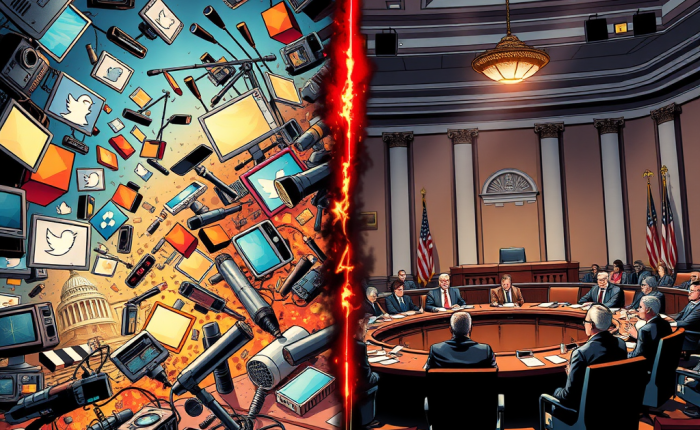
A few days ago, the death of Charlie Kirk made headlines, and the aftermath of it has had, it feels like, normal people and newscasters talking for days.

First off, death by such violence cannot be acceptable. Just like the deaths of other public figures for political reasons, like those of Melissa Hortman (Minnesota state representative) a few months ago, and her husband, are not acceptable. For Kirk’s wife and young children, and for other family and friends who knew him personally, this is a tragic and life-altering loss, and my heart goes out to them, as it does every time there is such violence.

Let me say that, before this week, I personally had not heard of Charlie Kirk, though, as some of his past comments were re-broadcast, I realized I’d heard them before. I did not know him by name and did not know what his life had been about. But I would have had to have lived under a rock to miss the very strong opinions that people have of him. At one end, people were calling him a champion for Christianity and a martyr. On the other end, people were re-publishing statements he’d made against entire groups of people.

Social media was very loud this week, and I found myself getting quieter and sadder. I needed time to process everything I was hearing, and also to process my own reactions to it. I had a lot of thoughts: is a life like his what true Christianity looks like? Why do so many think so and what am I missing? Can someone actually say this and still be a Christian? Oh my word, are these the things some people really think but are too afraid to say? Are these things in line with Christ’s teachings?

This is one of those times where wisdom and discernment are called for. There are a lot of voices out there. Not every voice speaks with authority or knowledge, and not every voice should be given equal weight. We must all ask ourselves: is what I am seeing and hearing actually true? Can I verify it? And when it comes to faith, is what I am hearing in line with Christian teachings?

We as a society have been behaving like we’re all campaigning to be right, and that whoever has the most popular viewpoint wins the day.

Except that isn’t what’s happening. A man died. A man reached that moment that every person will reach: death and what comes next. That moment where each of us will come before our Creator and answer for the life we have lived. It’s a terrifying and very real moment.

About this particular death–and any other death, actually–nobody can truly know God’s mind, because only God knows what is in the most secret corners of any of our hearts. So no. No one has the authority to say how God found Charlie Kirk or what will happen to his soul, me least of all.

I think we all must think about these existential questions from time to time, no matter our beliefs, and there’s nothing like someone’s death to bring them up. But in the face of all the noise, all the calls for vengeance, and the finger-pointing, the question remains: what do we do now, as a society? Of course, one of the calls I’ve seen is for others to rise up and continue Kirk’s mission. It sounded familiar, and I’d realized I’d heard it other times that a leader, particularly a political or religious, had been killed. And I have no doubt that his views will continue to be advocated by some and condemned by others for some time. The vitriol is a sad fact of the country we have become.

Still, how do we move on from this? Because we must step forward, otherwise we risk a downward spiral of more vengeance, more anger, more hatred, more violence, and more death. As if the world wasn’t already on fire.

From public officials, there are calls both condemning violence and pleading for peace, and calls for vengeance. From the highest public official, of course, it’s a mixed message: violence is unacceptable and we have to stop demonizing each other, but also the people who don’t agree with me are demons.

But the question that I am asking myself, and I would urge you to ask yourselves, is this: are my words and actions contributing to the fire? Is there anything I can do to bring down the temperature? What would Christ do if he were walking among us today?

I have no neat ribbon to tie this up, to be honest. If there was, someone smarter than me would have tied it up already. I am sad that we are so divided, but not surprised. And for myself and for all of us, I pray.

The World Is Still a Big Place

The World Is Still a Big Place

A few days ago, my husband and I were on the flight home from a long-awaited 20th anniversary trip. This post isn’t about all the things we did—fun as that would be to tell.

It’s about some of what I observed, and some of the conversations I had with taxi cab drivers and fellow bus passengers. It was, above all, a reminder to me that the world is still a big place, and there is still so many different perspectives.

I think many travelers—my husband and I, in any case—often wonder, when traveling, what the lives of the people who live in that place are like. We see what they see, and eat—mostly—what they eat. But day to day, what do their lives look like? What do they do after work? Are groceries expensive for them? What do they talk about with their friends? (This is the anthropology major in me, I know.)

But the other question I ask—and perhaps not as many travelers wonder this—is what my life would look like if I lived there. Would I still love the things I love as a visitor? Or would the things I love be outweighed by other practicalities: the cost of living, for example, or the length of my commute and the amount of free time I’d have. And, importantly, would the things I love about my “real” life be able to transfer to this other life?

It’s a form of escapism, I know, imagining life in a new place. But you may understand why. Our life at home has been so overshadowed by uncertainty and dismay since January 20. The new regime has affected very directly the lives of many we know, and it’s affected my work directly. So this trip, in addition to being a celebration, was so needed just to step away and, well, be. To see new things, to start conversations with strangers, and to spend some days away from our routines.

And it was a good reminder that for much of the world, especially outside our country, life carries on. The people we met still carry on doing the things they’ve always done, and finding joy where they can: whether that’s in telling funny stories, or enjoying a good meal with new friends, or appreciating a beautiful garden or landscape.

Because we live in the United States, and America’s actions ripple widely, the topic of politics did come up a time or two as well. In particular, two conversations, one about politics and one not, demonstrated to me the contrast between the country our administration wants us to be and the country that we actually are.

The first conversation was about colleges. Our driver was under the impression that everyone in the United States went to university after high school, and that public universities were automatically accessible to everyone. The private schools he’d heard of—Ivy leagues, mostly—he thought were accessible to anyone who could pay, and were specialized in something: law, engineering, etc. I tried to explain to him in my rusty French that, no, in fact, even the private universities tried to attract the most academically strong class they could, and they often enrolled students who were not at all rich but who showed a lot of potential and so attended on scholarships, etc.

As I was speaking, I realized a couple concepts were basic assumptions we make as Americans that may not exist elsewhere in the world. The first is the idea of merit. Students who show a lot of potential should not be limited in their opportunities by what they or their families can afford. They earn the right to reach for their potential.

The second is that that potential is limitless. American universities are arguably among the best in the world because they attract the brightest minds to work on the world’s most pressing problems, and the solutions those minds have come up with are, truly, incredible.

The second conversation was about politics. Someone asked me what I saw for the future of America, and my answer was that I truly didn’t know. The leaders of the country currently are trying to take us back to a time when power and wealth are held in the hands of very few (and those few happen to be white and male—I’ll say no more than that now). What is happening is obviously more complicated than that, but since I had to boil down my point to its essentials (time and language did restrain, after all), that would be it.

The two stand in stark contrast. On one hand, America has stood for a belief that people should strive to reach their potential (however great or small that may be) unhindered by the color of their skin or the chromosomes in their DNA. On the other hand, America has since the Great Depression fought against, and now is fighting for, the idea that in fact it is a small number of people who should hold the majority of the wealth and power, and decide the direction of the country.

It remains to be seen which vision of America will be adopted by the most Americans in the coming few years, but in the meantime, the world continues to spin, and those outside our country continue to watch us, but only to the extent that it affects them (think tariffs, as an easy example). Otherwise, they carry on with their lives.

One of the folklore tales we heard on the trip was of an elf who offered a solution to people’s problems, but the solution was often worse than the problem. It was a reminder to me that stories repeat over time; putting our faith in a promise maker (or snake-oil salesman—take your pick) often results in grief.

That perspective—that ability to remember always that we always have control over how we react to our circumstances, and that people have (mostly? often?) survived through oppressive regimes, as well as thrived through prosperous ones—may be the best souvenir I will have taken from this trip.

Smoke & Mirrors, and Sticks & Stones

Smoke & Mirrors, and Sticks & Stones

I know it’s been a long while, but in an effort to better mind my own sanity during these times, I think it’s time I found ways to write more, so here goes.

I want to start by sharing a personal exercise I did recently. One day in late March, I saw two video clips. In the first, a Democratic representative from New Mexico asserts that Congress is handing over its authority to the President to do whatever he wants to the Federal government. That is not true.

In the second, a Republican representative (who also chairs the committee and sponsored this bill so in theory should know it best) maintains that this is just a reauthorization (more like a renewal than a change) of a bill that’s been around for a long time. That is also not true.

I got curious: what were the different parties advocating for? And did anyone “win?” Of course, quick searches online only brought up more clips. Clips, as many of us would do well to remember, are edited to support a viewpoint. They end right after a smart comment and leave out the reply, or start at just the right moment to leave out some necessary context. So I dug a little and found the full video of the hearing (the link starts at where debate about the bill begins). I encourage you to watch 10 or 12 minutes if you can.

And since I am a former nerdy law school student, I found the bill amending the regulations and hand-wrote in the amendments to see what these amendments would really change. More on that in a minute.

Here’s what I learned from watching the full video–and bear with me because, while I know none of us have time, it takes more than a few seconds to explain this: neither side was being entirely fair in their statements, and even though one side’s assertions arguably do more harm than the other, neither’s behavior is what we should accept from our representatives.

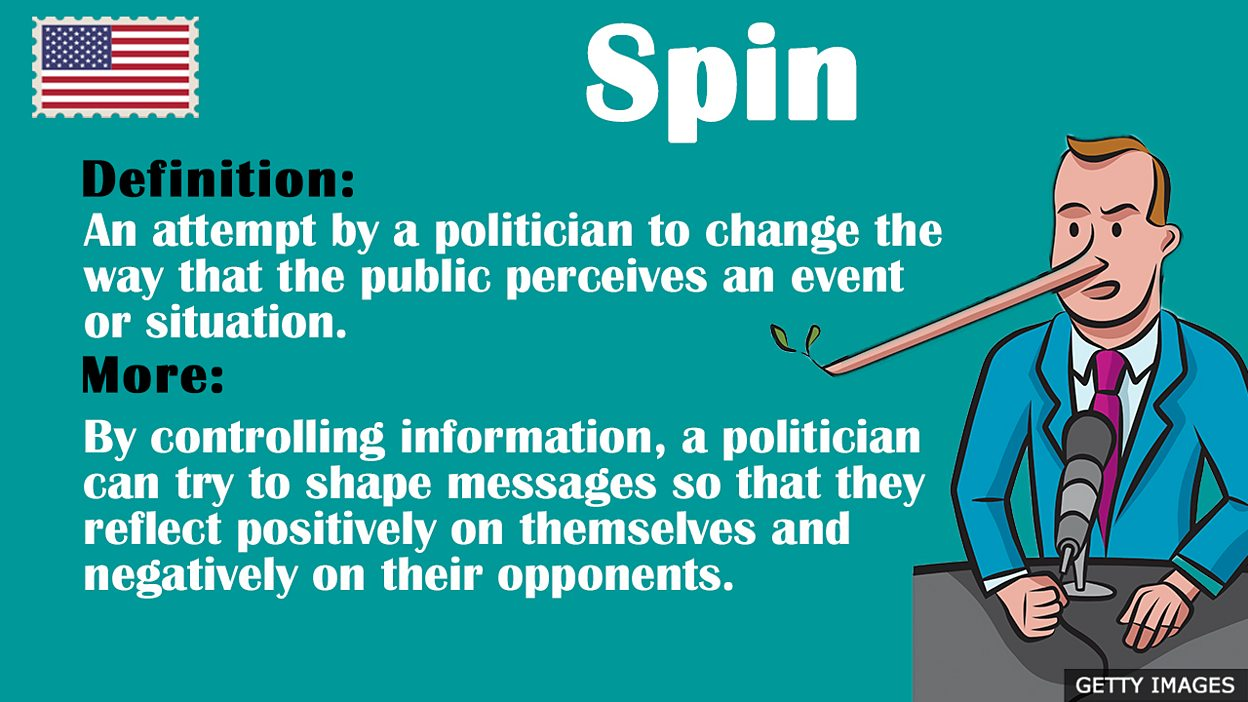
Why am I dwelling on this one bill? Because I want to remind myself, and anyone else who will listen, to always remember the role of spin doctors (and no, I’m not talking about the 90’s band). I think the communication about this bill to the public (whether from elected officials and their staff, from the media, or from organizations that try to look like media) is a good example of how what is actually happening can be completely obscured by the many videos, memes, and commentaries that pop up on our phones every day.

For anyone who’s interested, here’s what the bill is about: the authority to change the government to make it more efficient. The bill allows the President to propose changes, and ultimately implement them, but keeps the approval authority with Congress. The bill also expands the changes a President is allowed to make, and by a lot. And the new language is vague enough that it really can mean whatever the President wants it to mean.

So for example, the proposed language talks about cutting agencies to get rid of “unnecessary” operations, or reducing/ eliminating compliance rules, with no counterbalancing consideration required of what harm those rules are preventing or safety standards they are maintaining. It also allows the President to eliminate any department he wants, including one that has an enforcement function. The current regulations do not permit this, for obvious reasons.

So overall, it would give the president more (but not absolute) power than the executive branch currently has. It is not a complete rolling over and handing of Congressional control to the executive branch. But neither is it just an extension, or reauthorization, of existing law. It is a dangerous bill to pass at a time when the executive branch’s M.O. has been to do whatever it wants without regard for laws and procedures.

But if we are not hearing this message clearly, but rather are hearing only snide remarks and irrelevant questions, how are we supposed to know what our representatives are really doing? And consequently how are we to make wise choices about who to elect or what to vote and not vote for? The fact that so much of what we see and read, especially in the form of “news” on social media feeds, is so doctored to produce a certain reaction, is really alarming. And really harmful.

And that is my main point. We need to find a way, despite the information overload and lack of time, to read real news. We need to listen to, or watch, or read news reports that at least try to tell us what is happening in a balanced way. These news sources are out there, but they are, well, less flashy and less entertaining. But news is not entertainment. It is a fundamentally important part of a functional democracy and society. If it’s entertainment we seek, we can get that from Netflix.

On a side note, I was struck by how some legislators do not appear to have read the legislation they are introducing or debating, or they do not understand how regulations are organized. And that’s really sad for our country.

Broadly speaking, it hints at a common sentiment in my circles at the moment: our democracy is at a real risk of dying. The things the US government is doing are not only unlawful and, more broadly, trying to dismantle the rule of law, but they have created true suffering. I’m not talking about the many who have lost and will lose jobs, although that is extremely stressful and disruptive and will hurt families and the country in many ways. I’m talking about innocent people who happen to have the wrong skin color or speak the wrong language being ripped away from their homes and families and put in violent prisons in other countries even though they have never committed any crimes. And who have no way to prove their innocence or to go home. I never thought that this kind of thing would happen, and with such frequency in such a short amount of time, in America today. I am seeing just how powerful fear and misinformation can be in making the country act against its founding principles.

Another common sentiment I’m hearing a lot is: what can we do? I do not have an answer, but the following quote from Elie Wiesel (who was, as you probably know, saw the rise of authoritarianism up close as a Holocaust survivor who went on to become a professor, writer, and Nobel laureate) comes to mind: “We must always take sides. Neutrality helps the oppressor, never the victim. Silence encourages the tormentor, never the tormented.”
― Elie Wiesel

Quarantine Life

Quarantine Life

This post has spent 10 months, and counting, as a draft. The first draft was a little giddy, a little overwhelmed, and a little OCD. My mind was occupied with questions like: holy moly how are we going to keep up with work and adult-ing while also keeping the kids occupied and content? Yikes, I just touched my face. I should go wash my hands. And my face. And rinse out my mouth with mouthwash. Do I need to wipe down my keyboard? Yup; better safe than sorry. How do my children, who spend all day in pjs, still manage to generate so much laundry? Oh, and the toilet paper! Seriously? And why toilet paper? What is wrong with people? Also, wouldn’t this be the perfect time for America to be introduced to the bidet?

I also had an optimism that in retrospect makes me feel nostalgic. This is a forced pause on life, I thought, and so it is a wonderful chance to still our minds and really, deeply take stock of life. How are we doing? What are we doing? Am I doing what I want to be doing? Living according to the values I espouse? What can we learn from this forced freeze of life and the busy-ness that seems to follow us every day?

But as the weeks rolled past, and the finish line kept moving back, I started observing other things. How, for example, people were reacting so differently to this thing. There were those mourning the loss of social gatherings and even daily interactions with work colleagues, or for the kids, their classmates. And then there were those who just said, “I’ve got my drink of choice and a pile of books. See ya. Someone come get me when this is all over.” I saw it even in my kids. Same genes, same household, and such different personalities: the introvert who would go hole up at every opportunity, the structure-craving child who started (and still starts) every day with, “what’s on the schedule for today?” And the laid back child who wanted something to do and didn’t really care what it is as long as someone else was doing it too.

I’ve also noticed how this increased time at home together was making our family grow closer, as we’ve spent more hours this past year than ever before playing games, watching movies, taking hikes, or working on puzzles together. Then at moments I’d think, did I really think my kids were growing closer? Then why did one just perform a maneuver that I’m pretty sure was designed to break the other’s leg? Console one, scold the other. And breathe, mama. 

Then of course, as if the pandemic wasn’t enough, racial injustice, as old as America itself, came into Americans’ frame of focus in the form of police brutality. Important, necessary conversations started happening. People showing up in huge numbers across the country forced us as a society to begin a new chapter in the work of reckoning with this ugly legacy. It is work that will not and cannot be marked “done” with a simple reading of a certain book or watching of a recommended movie. There is much more to say on this, and much of it is being said. (I’d love to add my voice to the discussion in a longer reflection, but that is a post for another day.)

When change happens sometimes, it happens in leaps. Inequities in the effects of this pandemic on different segments of society, layered with racial injustice, have laid the groundwork for just such a leap. And I’m praying every day that we land in a better place than we are now. It’s up to us to make sure we do.

Add one more layer on: the jeopardy of our democracy. Guardrails have been and are being tested in a way that haven’t been seen in my lifetime anyway. On the one hand, any half-way informed or engaged citizen is learning more than they ever did about how our elections work, about why evidence is important to proving something, and about the difference between having an opinion, and believing that opinion is fact, then acting on it in ways that are harmful. That engagement and awareness are a silver lining to all this. On the other hand, an alarmingly high number of people believe, as fact, allegations about our elections, courts, etc. that are simply not true. And they don’t know how to, or don’t think to, research those allegations enough. Or they don’t want to, because they want to believe what they believe. So where do we go from here?

Perhaps it is the irony of these days that is so disorienting. In civic life, we are having important conversations and sharing earth-shifting ideas. Ideas of how to achieve equality, and what level of equality is justified. Ideas of where to find common ground. Ideas of how to heal our damaged and polarized country. (I’d love, again, to explore these ideas more in a future blog post.) Exploring these ideas and the arguments being made takes time and energy, and I am encouraged to see new people taking the time, spending the energy.

And yet, in our private lives, or at least my private life, it’s a lot like a very bland Groundhog Day. There’s a daily routine. Morning: get dressed in comfortable clothes if I don’t have to physically go into work (never mind that these clothes are a decade old), with not a lick of makeup or attention to my ever wilder hair. (And on days I do have to go to work, “normal” clothes are shed in favor of my unfashionable loungewear within 15 minutes of being home.) In the evening: reverse. Back into pjs, preferably, but not always, after walking the dog. Put couch cushions and throw blankets that have migrated onto the floor back in place. Clean the kitchen. Repeat the next day, and on.

Here’s what is not repetitive. The daily decision of how I will think, and how I will act. Doom-scrolling is real. There have been days and weeks over the past year where it literally felt like something historic was happening every hour. It’s been hard not to check for news updates compulsively. But I do have a choice, and I could choose to pay attention to something else, something also worthwhile and over which I actually have control, for a while. After all, the world does not need me personally to be updated on every event the moment it happens. Some days, I’ve failed miserably at that. Like I said: doom-scrolling.

But what I’m becoming more and more convinced of is that while we cannot individually change the world, our individual acts can improve another individual’s world. And in this way, small kindnesses and acts of optimism in the aggregate do change the world. I did not, of course, come up with this idea (Mother Theresa, for one, said it in many ways). But I have found it to be especially important in these times, when the opportunities have been so abundant for individuals to show the best, and the ugliest, sides of humanity.

Every day offers a new opportunity to choose faith, and hope, and love, over worry and fear. We may fail some days, but the important thing is to get up and try again. It’s just like in the before times, when we were striving for so many things (training for a race or ride, or getting that next belt in Tae Kwon Do, or learning to play that new piano piece perfectly). We’d fail and we’d try again. Our striving these days, should we choose to accept the challenge, is more internal. It takes practice, and trying again after failure, to choose to love, to choose to have faith.

For my family, I’m not sure how we’re going to reacquire “normal” life once COVID-19 isn’t hanging over our days. I don’t think we will go back to that life. I don’t think we’ll want to. And I don’t think that’s entirely a bad thing. 


Hiatus

Hiatus

You may have noticed that I haven’t posted anything in a little while. I am in a season of life, faithful readers, where my writing time is very limited, and so I am devoting what time I have to finishing my book.

If I do find opportunities to post here, I will. If you want to be alerted to future posts, please make sure you’ve subscribed to the blog.

Until then, wish me words and insight as I try to give this book the best I have!

Childhood Snatched

I watch my daughters jump the waves, their skin turning a deeper and deeper bronze with each hour. The energy they have. The pure, unadulterated joy of the moment, the largest waves eliciting screams of delight.

I’ve warned them about rip tides. Explained the importance of staying close together, not venturing out too deep. They heed me, but it doesn’t stop them from reveling in the joy of the moment.

They’re brave little ones, these children of mine. Like many–most?–kids who’ve lived in relative safety.

On my mind since it happened has been another child, not much older than my oldest daughter. A child who by all appearances had an otherwise normal childhood. Until one day, two classmates walked into his classroom with guns, and this child did what he’d been trained to do. He ran at them, likely saving his classmates in the act.

But this child? He’s dead. Snatched from his friends, his family, his innocence, his future. His parents are living all parents’ worst nightmare. They live while he has gone.

Social media called him a hero, a child who gave up his life for the other children. His picture was plastered all over my social media for a day or two. He was indeed a hero.

But is that any comfort to his parents? More to the point, why did he have to be?

Heroes protect their comrades and nation’s values in wars. Heroes save other in natural and man-made disasters. Heroes make a knowing choice to risk their safety for others’ sakes.

But what kind of country are we becoming when we plan for our children to have to lay down their lives for their classmates? We train them for it. When did this ultimate sacrifice become the price of participation in school? Or for that matter, at concerts and other public places?

When something–a behavior, a thing–proves to be dangerous, we pass laws to mitigate the risk. Car crashes can be deadly, hence driving tests and age limits and safety belts and speed limits and rules for right of way. It doesn’t mean crashes don’t happen, but it means they are fewer, and less fatal when they do happen. Ditto for drinking alcohol. Or drugs. Even fireworks. Or going through airport security, and being forbidden to do certain things on, or bring certain things onto, an airplane. We accept these rules because they keep us safer.

There was a time, in the wild west, when danger lurked in each new encounter, and law enforcement was nonexistent or unreliable. People had to be extremely self-sufficient when it came to their own and their loved ones’ safety. But we are not in the lawless west and this is not the 1800s. So why do we continue to insist on believing that we do?

One day, I believe, we will have the collective moral spine to vote into office people who will pass laws to make our children–and all of us–safer from those who shouldn’t have weapons, but can and do. Until then, we can only pray that our children, our live-in-the-moment, joy-knowing, innocent, brave children, will live to see their next school vacation and play in the ocean again.

Themes Turning

Themes Turning

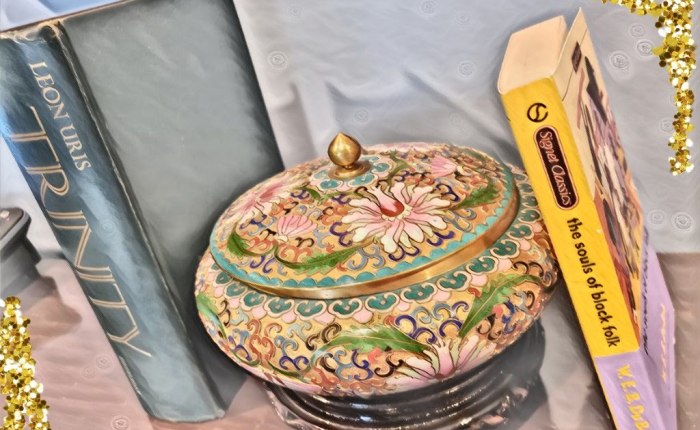
Totally by coincidence, and months ago now, I found myself reading two books in parallel. The topics are different. The genres are different. The style of writing is different. The books are set on different continents. The authors are not even contemporaries. Yet the themes could not be a closer echo of each other.

The books are Souls of Black Folk, by W. E. B. Dubois, and Trinity, by Leon Uris.

Neither book is modern, which makes the language outdated. In their lack of buzz words and modern code, their voices become fresh again to a contemporary reader.

The main parallel I saw was in the authors’ treatment of poverty. In their own unique ways, the authors question the assumption (as prevalent then as it is now) that the poor are deserving of their suffering because they are lazy, dirty, dumb, name your flaw. They are somehow less than.

You may need to read that again. The poor are lesser humans, and therefore deserve their situation. Is this true? Whether we think we believe it or not, how many of us behave as if it is? And how do we know? I will not presume to answer this for you.

This is, on another note, Holy Week for Orthodox Christians. The readings and litanies of this week invoke a sense of deep introspection. Repentance, gratitude, compassion, a sense of our own wretchedness. A sense of being intimately known and intimately loved. All the reference points from which we have ever stood come together in this one week for an incredibly powerful spiritual reckoning–if we put in the time and effort to partake, of course.

So I had all this on my mind during today’s service. And as often happens, the readings  were read as if they were responding to my thoughts. First, a Psalm, and then, a Gospel passage, well known, from Matthew 25. (Psalms 41: 1-2 and Matthew 25: 31-46, if you’d like to look them up for yourselves.) Here was a message about considering–thinking about–the poor, so that God will come to our aid in our [inevitable] time of trouble. And then, in Matthew, Christ teaches that when we help others (the sick, the imprisoned, the hungry, the homeless), it is as if we are helping Christ Himself.

God, the Creator of the Universe, is likening himself to those poor, those lesser-thans. He is encouraging us to help them. Which means we have to connect with them. Which means moving out of our comfortable circles to do the inconvenient, the uncomfortable thing for those whom it doesn’t apparently benefit us to help.

Here is my wider point. Meditating on our own spiritual/ emotional state, moving outside what is known and comfortable to connect with others, these are all (among other things) the very things that give life its meaning and its richness, I believe.

I ask you then to ask yourself, as I do myself, in what ways we can stay spiritually connected; past this week for observers of the Orthodox calendar, or past another time of spiritual awakening for others. What can we do to deepen our connection with the Creator of this world, and, in so doing, remind ourselves and others of Who that Creator is?


Who Still Talks of Idols?

Who Still Talks of Idols?

What is the one thing that occupies your thoughts? The one thing that you devote mental space and effort to each day? If you can’t name the top one, how about the top two or three?

What are we pre-occupied with? Our highest teachers have told us what the answers should be: spiritual growth (particularly for those of us who practice faith), showing kindness to our fellow man, or serving in our community, raising children well, or any other multitude of principles that benefit us or those around us in a long-term, meaningful way.

Those might be the answers we “should” give.

But the images and mantras most of us encounter on a daily basis inundate us with answers of their own. These messages pair two disparate things together–so persistently and so forcefully–that people have come to accept them, many times without even noticing. Fitness (apparently a sign of self-discipline and other virtues), wealth (happiness comes only to those with a luxury car and a big house), beauty (beautiful people are good people) are just a few of these messages.

So let me ask it again: what is the one thing (or two or three) that occupies your thoughts?

What I’m getting at is not a new idea. In fact, it’s a very old one. Biblical times old. Moses old.

“You shall have no other gods before Me.” Exodus 20:3 (NKJV)

To the people under Moses’ leadership, it meant don’t worship anything above God.

Not a golden calf.

Not the gold that made the calf.

It meant don’t rely on anything or anyone but God to save, or guarantee anything. Indeed, we mustn’t because we can’t.

Yes, yes, we know. Money doesn’t buy happiness. Lots of rich folks have great sorrows.

But what about if one is super popular and has lots of friends? That’s all we need, right? Good times with good friends? (Assuming, of course, that nobody every changes, there’s never any disagreement, nobody moves, everyone always lifts each other up, and everyone you want to be around is always instantly available.) So in other words, maybe not?

Ok, so what about if we are super healthy? Eat well, get enough sleep, exercise regularly? Healthy bodies means we’ll have a good long life, able to do everything we want or need to do. Ok, not a bad thing in and of itself. But doesn’t health mean tanned, toned bodies? Actually, no. But those are the images we’re urged to accept of health.

Where am I going with this? I’m asking you, simply–as I ask myself–to examine what we allow to occupy our minds and take up our precious time and energy. Our days and abilities are limited. Let’s make sure we’re laying them down at the feet of only the Worthy.


Home Takes Work

Home Takes Work

What does the word “home” mean to you? Is it the place you walk into, shut the door, and take refuge at the end of every day? Or the place you travel to a few times a year to see family or loved ones? Is it a treasured memory in a country far away?

The idea that there is someplace we’re fully able to belong, to relax: that’s home. But it doesn’t happen by itself.

Home takes work. It takes constant maintenance, and effort, particularly when there are children in our home and we are the adults loving and caring for them.

I don’t always appreciate that work and effort enough, or give it enough weight. I think of it as lesser work. But it’s important.

It’s important for giving our kids (and ourselves!) a place of refuge. Most parents strive to create homes for our children with memories that will hopefully give them a strong foundation, and joy, when they’ve long since left that home. It’s a place where a framework for their futures is built, and on which their values, their priorities, their abilities will be formed and then deepened.

So home is important. But for those of us who follow Christian teachings, home is not everything. It’s certainly not the biggest house we can buy, furnished with the nicest furnishings and the most up-to-date technology, clothes, etc. It is, rather, the place from which we launch, striving always to complete our mission, whatever form it takes, and the place to which we retreat when we need to rest and recharge.

As I type this, it is snowing outside, threatening to make a very long week go out on a yet more hectic note. And so rather than dwell on all the worries that tomorrow could bring, I think I will call it a night, grateful that the kids are all sheltered, warm, and sleeping, and safe, and give myself that same respite.